Top Places Serving Drunken Noodle Near Me With Authentic Thai Taste
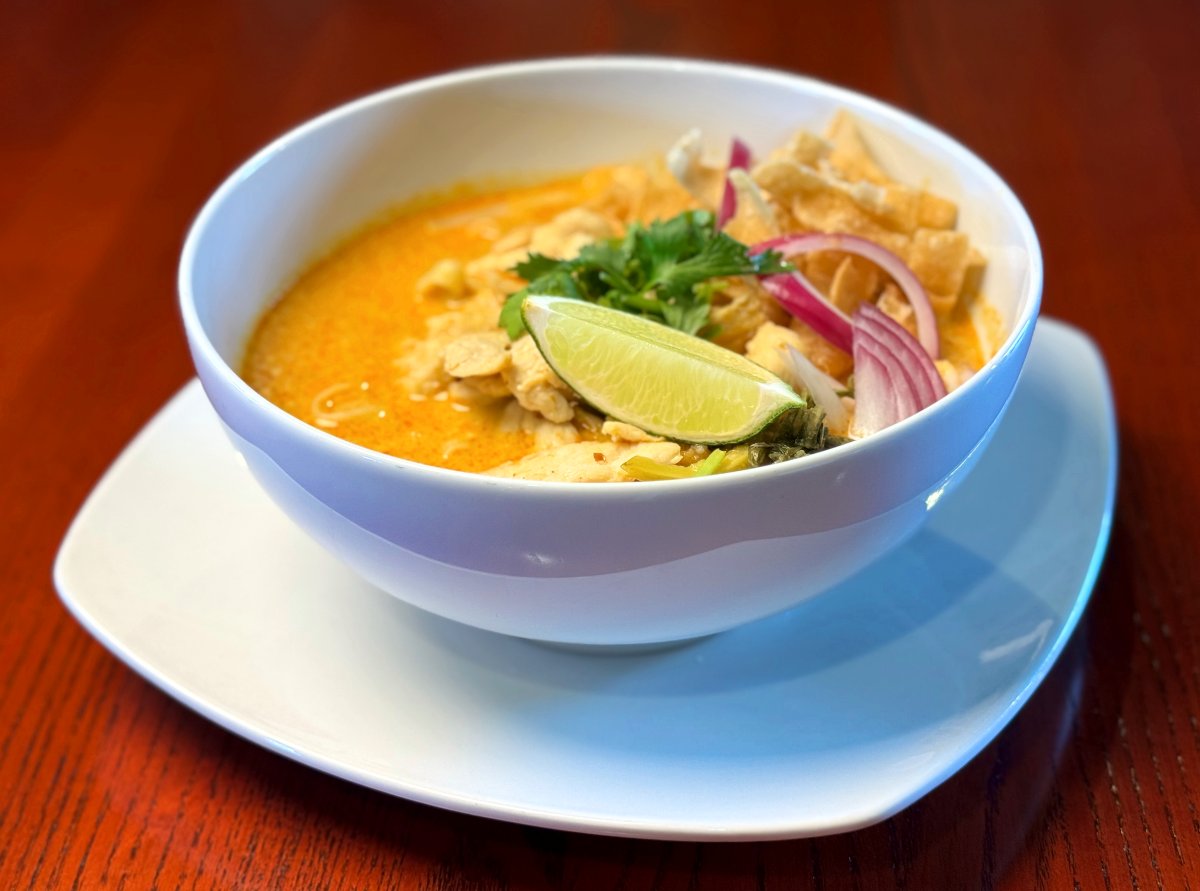
Type “Drunken Noodles Near Me” into a search bar and you will usually get a crowded mix of Thai restaurants, fusion spots, takeout counters, and places that happen to serve a version of pad kee mao because it rounds out the menu. The problem is that not every plate labeled Drunken Noodle actually tastes like the dish people fall in love with. Some versions arrive sweet and flat. Others are overloaded with soy sauce, skimp on basil, or use noodles that break apart before the first bite.
A good plate of drunken noodle should feel bold and alive. The rice noodles should be chewy, not mushy. The heat should build without wiping out the rest of the flavors. Thai basil should bring that unmistakable peppery, almost clove-like aroma. The sauce should cling lightly rather than pool at the bottom of the container. When it is done right, it tastes smoky from the wok, savory at the center, spicy at the edges, and deeply satisfying in a way that explains why so many people keep searching for the best Drunken Noodles Near Me.
The challenge is that “authentic” can mean different things depending on the kitchen, the cook, and the region they lean toward. Even in Thailand, dishes shift from household to household and from street stall to restaurant. Still, there are reliable signs that separate a carefully made Drunken Noodle from a generic noodle stir-fry with a familiar name. If you know what to look for, you can spot the places worth visiting before you waste money on a disappointing order.
What authentic drunken noodle should taste like
Drunken Noodle, often associated with pad kee mao, is not a subtle dish. It is built for impact. The best versions hit several notes at once, and none should dominate for too long. Spice is important, but it should not be the only story. A strong kitchen balances chili heat with umami from sauces, fragrance from basil, and that unmistakable wok-char that comes from a hot pan and confident timing.
Texture tells you a lot. Wide rice noodles should stay springy and slightly slick, with a few caramelized edges if the wok heat is high enough. Vegetables such as bell pepper, onion, baby corn, or broccoli can appear, but they should still have some bite. Protein matters less than execution. Chicken, shrimp, tofu, beef, or mixed seafood can all work if the noodles remain the focus and the pan is not overcrowded.
A common letdown is excess sweetness. Some restaurants soften the profile for a broader audience, and the result can taste closer to sweet soy noodles than an authentic Drunken Noodle. Another issue is timid basil use. If the herbs barely register, the dish loses one of its defining traits. You should smell it before you fully process the steam rising from the plate.
Why some restaurants get it right and others miss the mark
Most people assume the difference comes down to ingredients alone, but execution is just as important. Drunken noodle is a high-heat dish. It needs speed, judgment, and a cook who understands how quickly rice noodles can go from perfectly elastic to limp. A restaurant can buy decent noodles and still serve a forgettable plate if the wok station is overloaded or the sauce is pre-mixed too heavily for quick service.
Restaurants that specialize in Thai food often treat noodle dishes as part of a broader system. Their sauces are better balanced because they are built for several dishes, not adapted from a single template. The cooks know when basil should hit the heat and when it should not. They understand that fresh chili and garlic have to wake up in the oil without scorching. These are small technical details, but they separate a dish that tastes cooked from a dish that tastes composed.
I have had excellent Drunken Noodle from tiny storefronts with eight tables and laminated menus. I have also had disappointing versions at polished dining rooms where the plating was immaculate and the noodles were lifeless. Looks can help, but they do not guarantee anything. The real signal is whether the kitchen respects the dish enough to make it with intensity rather than caution.
The kind of places most likely to serve a strong version
When people ask where to find the best Drunken Noodle near me, I usually steer them toward restaurants that show signs of specialization rather than size or trendiness. Smaller Thai restaurants with a focused menu often do well because the kitchen repeats the same dishes enough to refine them. Busy lunch spots can also be strong choices, especially if local Thai customers or Southeast Asian families are regulars. That does not prove authenticity on its own, but it often hints at trust.
Takeout-heavy Thai restaurants can be surprisingly good at this dish if they know how to pack it. Drunken noodle holds up better than some noodle dishes because the sauce is not supposed to be soupy. Even so, a kitchen that undercooks or oversauces the noodles during a rush can ruin the texture by the time you get home. If you are trying a place for the first time, eating in gives you a better read on its real quality.
Upscale Thai restaurants are more mixed. Some are excellent and source better ingredients, especially herbs and fresh chilies. Others tone down the heat, sweeten the sauce, and soften the edges to appeal to a wider crowd. If the menu language leans heavily on “Thai-inspired,” I look more carefully at reviews and photos before betting on the noodles.
What to scan for before you order
Most people rely on ratings alone, but star averages rarely tell the full story. A restaurant with a 4.7 can still serve a weak Drunken Noodle if most reviews focus on pad thai, cocktails, or fast delivery. What matters is whether people mention this specific dish and describe details that sound real rather than generic.
Look for clues in customer photos. Wide noodles should appear glossy, irregular, and lightly charred in spots, not uniformly dark and sticky. You want visible basil leaves, bits of chili, and vegetables that still look distinct. A puddle of dark sauce at the bottom of the container is rarely a good sign. It usually means the balance is off, or the dish sat too long before pickup.
The menu itself can reveal a lot. Restaurants that let you choose spice levels are common, but there is a difference between “mild, medium, hot” and a kitchen that clearly expects the dish to have some fire. If a menu describes Drunken Noodle in flat terms, with no mention of basil, chili, or wide rice noodles, I get cautious. Precision in menu writing is not everything, but sloppy descriptions often mirror sloppy cooking.
Here are a few signs that a restaurant is worth trying:
- The menu specifically mentions Thai basil, chili, and wide rice noodles.
- Customer photos show visible basil, charred noodle edges, and no excess sauce.
- Reviews praise the balance of heat and flavor, not just portion size.
- The restaurant has a concise Thai menu rather than a huge pan-Asian spread.
- Staff can explain spice levels and ingredient substitutions clearly.
The role of spice, and why “medium” means different things everywhere
One reason people keep testing different places for Drunken Noodles Near Me is that spice calibration varies wildly. At one restaurant, medium may barely register. At another, medium can leave you sweating halfway through. Neither is automatically more authentic. The real question is whether the heat supports the dish or buries it.
A well-made Drunken Noodle should have enough chili presence to feel energetic. You should notice it early, but it should not erase the savory backbone of the sauce. If you are ordering from a new restaurant, medium is usually the safest first move unless you already know the kitchen serves gentle spice. This gives you a read on their baseline and whether they season with fresh chili, chili paste, dried flakes, or some mix of all three.
I have learned not to order the highest spice level at an unfamiliar Thai restaurant unless I am eating there and can adjust with rice or another dish. Delivery changes the experience. Heat concentrates as steam settles in the container, and what felt balanced at the wok can hit harder 20 minutes later. A skilled kitchen knows this. A less experienced one may simply dump in more chili and call it a day.
Why basil matters more than most diners realize
If there is one ingredient that tells you whether a Drunken Noodle is pointed in the right direction, it is basil. Thai basil does not behave like Italian basil. It has a sturdier leaf, a stronger perfume, and a faintly spicy quality that holds up to heat and sauce. When restaurants substitute sweet basil or use too little, the dish loses its signature lift.
This matters because Drunken Noodle is a heavy-flavored dish by design. Soy-based sauces, garlic, chili, and protein all compete for attention. Basil pulls them into focus. Without it, the noodles can taste one-dimensional and dark. With it, the dish opens up. Even one forkful should give you savory depth first, then herbal fragrance, then spice.
A lot of customers cannot name that difference when they eat, but they feel it. They say a dish tastes fresher, brighter, or more like the version they remember from a great Thai restaurant. Often, basil is the reason.
Dine-in versus takeout, which gives you the truest picture
For first-time testing, dine-in is the better option. Drunken Noodle depends heavily on texture and wok heat, and both are at their best during the first few minutes after cooking. If the noodles sit too long in a closed container, steam softens them, vegetables lose snap, and the char fades.
That said, many people order this dish for takeout because it travels better than soups or delicate fried items. If you are judging a restaurant based on delivery, be fair about the timing. Noodles picked up in 15 minutes will taste very different from noodles that spend 45 minutes in a car. If a place still sends a plate with intact texture after that, it is probably doing something right in the kitchen.
There is another advantage to eating in. You can see whether the restaurant is comfortable making adjustments. Good Thai restaurants are usually clear about substitutions, protein swaps, and spice changes. If you ask for extra basil or no bell pepper, the response often tells you whether the kitchen is flexible and experienced or simply assembling orders from a preset line.
Regional variation and the myth of one “correct” version
People often chase the single most authentic Drunken Noodle as if there were one approved blueprint. In practice, there is a range. Some restaurants lean heavier on garlic. Others push chili harder. Some use more vegetables than others. A few add a touch more sweetness than I prefer while still staying within the spirit of the dish. Variation is normal.
The better way to judge authenticity is to ask whether the dish still behaves like Drunken Noodle should. Does it center wide rice noodles? Does it rely on basil and chili rather than generic sweetness? Does it show wok heat? Does it feel like a Thai noodle stir-fry with personality rather than a safe soy-sauce noodle plate? If the answer is yes, the restaurant may be offering a real version even if it differs from your usual spot.
This is especially relevant in cities with strong immigrant food scenes. You may find a family-run place serving a style closer to what they grew up making, while another respected restaurant reflects a different regional habit or adapts slightly for local ingredients. Both can be good. Rigid ideas about “authentic” often miss the lived reality of food culture.
Common red flags when you are hunting for the best nearby spot
Some warning signs show up again and again. They do not always mean a dish will be bad, but they lower the odds. If you are comparing nearby options, these are the ones I take seriously:
- The menu is extremely broad, covering Thai, Chinese, sushi, and burgers under one roof.
- Every noodle dish uses the same stock photo or the same vague description.
- Reviews mention blandness, excessive sweetness, or soggy noodles more than once.
- Photos show chopped basil as garnish rather than leaves cooked through the dish.
- The restaurant cannot explain spice levels or ingredient differences when asked.
A red flag does not mean automatic failure. Some mixed-menu neighborhood spots still produce a respectable Drunken Noodle because one cook cares deeply about it. But if you are narrowing five options down to one, these clues help.
How locals tend to identify the standout Thai kitchens
The best Thai restaurants often earn their reputation quietly. They are not always the ones spending the most on advertising or social posts. Instead, they build a repeat customer base that returns for specific dishes. That detail matters. If reviews say, “We always get the drunken noodle here,” pay attention. Repeat-order behavior is stronger evidence than one enthusiastic first impression.
Service patterns can be revealing too. A place that consistently runs out of a few herbs late in the evening may be using them generously rather than sparingly. A short wait at the wok station during busy hours can be a positive sign if dishes are made to order. Fast food speed is convenient, but noodle stir-fries often improve when the kitchen is not racing them through a holding area.
I also trust restaurants that are willing to be direct. If the staff says, “Our medium is already quite spicy,” or “This dish is best with chicken or tofu because the sauce grabs the noodles better,” that usually comes from actual experience. Those small comments tell you the kitchen has opinions, and opinionated kitchens often make better food.
If you are ordering for the first time, make the dish easy to judge
When testing a new restaurant, simplicity helps. Pick one protein, avoid too many modifications, and order the standard version before trying to customize it heavily. That lets you taste the restaurant’s own approach. If you stack requests like extra sauce, no basil, low spice, and extra vegetables, you may end up evaluating your custom build instead of their actual Drunken Noodle.
A first order also benefits from a second dish that acts as a point of comparison. Something like papaya salad, pad see ew, or Drunken Noodles Near Me basil fried rice can show whether the kitchen handles seasoning and wok work consistently. If both dishes are balanced and lively, chances are good you have found a place worth revisiting.
This does not mean you should never ask for changes. Good restaurants can handle dietary restrictions and preferences. It just means the first encounter should tell you what they are trying to do, not what you forced them to do.
Price, portion size, and what value really looks like
Drunken Noodle prices vary a lot depending on city, rent, ingredient sourcing, and whether seafood is involved. In many areas, a chicken or tofu version lands in a mid-range casual-dining bracket, while shrimp or beef costs more. The smartest way to judge value is not by portion alone. A huge carton of overly sweet noodles is less satisfying than a modest plate with strong wok flavor, proper basil, and texture that holds up.
That said, portion size does matter if you are ordering takeout for leftovers. Drunken Noodle reheats reasonably well in a hot pan with a small splash of water, but only if the original dish was not drenched. Oversauced noodles become gummy on day two. A drier, better-balanced plate often tastes better the next day, even if the portion looked smaller at first.
Finding your go-to spot takes a little pattern recognition
Most people do not discover their favorite Thai restaurant by reading one perfect review. They find it through comparison. They notice one place gets the basil right, another has better heat control, and a third nails the noodles but overcooks the vegetables. After two or three tries, patterns emerge, and the standout becomes obvious.
That is why the search for Drunken Noodles Near Me is worth approaching with a bit more care than a quick star-rating glance. Once you know the signs, you can sort through the noise faster. Look for focused menus, visible basil, honest spice guidance, strong noodle texture, and reviews that mention specifics. Those details point to kitchens that understand what makes the dish memorable.
The payoff is real. A properly made Drunken Noodle is one of the most satisfying Thai comfort dishes you can order. It is fast, fiery, aromatic, and substantial without being dull. When you find the restaurant nearby that consistently gets it right, the search usually ends the same way. You stop asking where to find a good Drunken Noodle, because you already know exactly where you are going tonight.
Nakhon Luang Thai Kitchen
Address: 805 Village Center Dr, Colorado Springs, CO 80919
Phone number: +17195315175
FAQ About Drunken Noodles Near Me
What makes it drunken noodles?
Drunken noodles, or Pad Kee Mao, get their name from the Thai word khi mao (meaning "drunkard"). They contain no alcohol. The name comes from the idea that the dish is a popular late-night meal to cure a hangover or a great food to eat with a cold beer.
What is the difference between pad see ew and drunken noodles?
While both Pad See Ew and Drunken Noodles use the same wide rice noodles, Pad See Ew is a mild, sweet-savory dish made with dark soy sauce and Chinese broccoli, whereas Drunken Noodles (Pad Kee Mao) are fiery, garlicky, and herbaceous with fresh chilies and Thai basil.
What are traditional drunken noodles?
Traditional drunken noodles, known as Pad Kee Mao in Thai, are a fiery, savory street food stir-fry made with wide flat rice noodles, fresh garlic, lots of hot chilies, meat or tofu, and fragrant holy basil. Despite the name, they contain no alcohol; the dish is traditionally eaten late at night or as a hangover cure because the intense spice helps clear the head.