Drunken Noodles Near Me: Top Choices for Spicy Noodle Enthusiasts
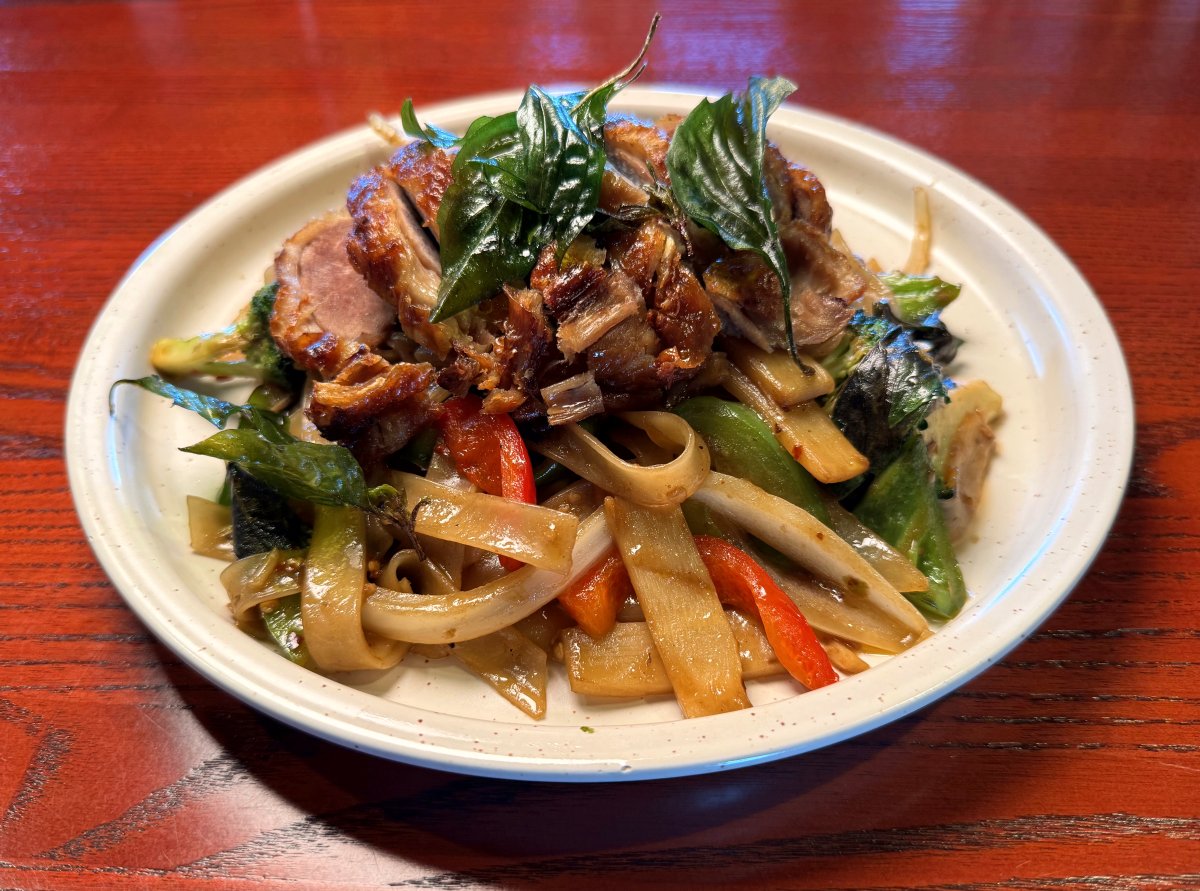
Few dishes inspire such immediate cravings as a well-made plate of Drunken Noodle. The appeal is easy to understand. You get broad rice noodles with real chew, high heat from fresh chilies, a sweet edge from dark soy and oyster sauce, sharp aromatics from garlic, and the unmistakable perfume of Thai basil rising with the steam. When it lands on the table done right, it is loud, glossy, savory, and just unruly enough to feel exciting.
If you have ever typed “Drunken Noodles Near Me” into your phone while hungry and slightly impatient, you already know the search can be hit or miss. Plenty of places offer the dish, but not all versions deserve a repeat visit. Some arrive timid and sugary, with mushy noodles and barely a trace of basil. Others chase heat so aggressively that the sauce loses balance. The best spots understand what makes the dish special. They respect the wok, they do not skimp on aromatics, and they know that spice should deepen flavor rather than flatten it.
For diners who love spicy noodle dishes, Drunken Noodle is one of the most revealing things on a Thai menu. It tells you a lot about the kitchen in one plate. A strong version shows control over heat, timing, texture, and seasoning. A weak one exposes shortcuts fast. That is why, when people ask me how to judge a Thai restaurant quickly, I often point them toward this dish.
What makes a Drunken Noodle worth ordering
A great Drunken Noodle, often listed as pad kee mao, is built on tension. The noodles should be slick but not greasy, tender but not limp. The sauce should cling rather than pool. Heat should be obvious, though not one-dimensional. Thai basil should arrive as more than garnish. It needs to be woven into the dish so that every few bites release that peppery, almost anise-like aroma.
Texture is where many restaurants separate themselves. Wide rice noodles are notoriously unforgiving. If they sit too long before service, they congeal. If they are stirred too aggressively, they tear. If the pan is crowded, they steam instead of sear. A memorable Drunken Noodle usually has some char at the edges, a few darker sauce-kissed spots, and enough wok heat to create depth without burning the garlic.
Protein matters too, though perhaps less than some diners think. Chicken is common and often the safest benchmark because it reveals whether the kitchen can keep lean meat moist in a high-heat stir-fry. Beef can be excellent if sliced thinly enough. Shrimp works well when the sauce is balanced, since seafood turns heavy sweetness unpleasant very quickly. Tofu has the narrowest margin for error, but in skilled hands it absorbs flavor beautifully and adds contrast.
Vegetables are not filler here. Bell pepper, onion, baby corn, green beans, and broccoli all show up depending on the kitchen. The stronger versions use vegetables to support the noodles rather than bulk out the plate. You should not feel like you are eating stir-fried vegetables with noodles incidentally mixed in. At the same time, an all-noodle plate with almost no freshness tends to taste flat halfway through.
Why “near me” searches can be misleading
Location-based searches are useful, but they often reward convenience over craft. A restaurant that appears first in results is not necessarily the one with the best wok technique or the freshest basil. It may simply have better search optimization, more recent reviews, or a stronger delivery footprint. That matters if your goal is speed, but not if you care about the actual noodle experience.
Drunken Noodle also suffers in transit more than many people expect. Five or ten extra minutes in a sealed takeout container can turn excellent noodles merely decent. Steam softens the edges, the basil loses lift, and the sauce settles. A spot with glowing delivery reviews may still serve an average dine-in plate, and the reverse can also be true. Some of the best versions I have eaten looked less impressive in photos but tasted much better fresh from the wok.
The answer is not to ignore local search, but to read it with discernment. Reviews that say “huge portions” and “super spicy” tell you very little by themselves. Reviews that mention chewy noodles, basil aroma, char, balance, and consistency are far more useful. A place that earns repeat praise for getting level-four spice right, keeping vegetables crisp, and avoiding sogginess is giving you something concrete.
The signs of a top choice when you scan a menu
When searching for the best Drunken Noodles Near Me, start with the menu itself. Menus reveal habits. If a Thai restaurant offers several noodle dishes but gives pad kee mao a proper description, including basil and chili rather than vague “spicy sauce,” that is usually encouraging. If spice levels are customizable and the menu clarifies what each level means, that often reflects a kitchen that has thought through the dining experience.
Portion design also tells a story. Some restaurants pile on noodles because rice noodles are cheap and filling. Others keep a more disciplined balance of noodles, vegetables, sauce, and protein. The latter tends to taste better, even if the plate looks slightly smaller. I would rather have twelve well-seasoned ounces of noodles with excellent wok flavor than a mountain of underseasoned filler that turns gluey by the last third.
Watch for restaurants that feature Thai basil prominently across several dishes. If it appears in curries, stir-fries, and specialty plates, the kitchen is likely using it regularly enough to keep it fresh. Drunken Noodle without fragrant basil is like cacio e pepe without pepper. You can mimic the structure, but you lose the point.
What strong restaurant reviews usually mention
The most reliable reviews are specific. They tend to mention sensory details rather than broad approval. Across cities and neighborhoods, the best-reviewed Drunken Noodle spots usually earn praise for the same handful of qualities:
- noticeable wok char without burnt bitterness
- chewy, intact wide noodles rather than broken or mushy ones
- real chili heat balanced by sweetness and salt
- fresh Thai basil aroma in every few bites
- consistency across repeat orders, not just a single lucky visit
That last point matters more than diners sometimes realize. Noodle dishes are sensitive to staffing, rush volume, and line discipline. A restaurant that serves a brilliant plate on Tuesday and a soggy one on Saturday night is harder to trust. When several reviewers mention ordering the dish multiple times and getting the same satisfying result, that is meaningful evidence.
Heat level is not just about bravery
A common mistake among spicy food enthusiasts is treating Drunken Noodle as a dare. Heat is part of the pleasure, but it is not the whole dish. When spice climbs too high, especially in a rushed kitchen, you can lose the sweetness of the sauce, the basil character, and even the taste of the noodles themselves. A smart restaurant builds heat in layers. Fresh chilies bring brightness, chili paste can add depth, and black pepper sometimes gives a broader warmth.
If you are visiting a new restaurant, there is usually no shame in ordering medium or what the menu calls “Thai hot minus one,” if that option exists. Kitchens vary wildly. One place’s medium is another place’s fire alarm. I have eaten Drunken Noodle at restaurants where the middle spice level had a pleasant, creeping warmth, and at others where the same level felt closer to a challenge dish.
There is also the practical issue of flavor fatigue. A plate of noodles is larger and denser than a spoonful of curry. If the first three bites are thrilling but the next fifteen are punishing, the dish has missed its mark. Good spice should make you keep going back, not force you to stop and recover.
Dine-in versus takeout, a real trade-off
Drunken Noodle is one of those dishes that exposes the difference between dine-in and takeout very quickly. If your nearest excellent Thai restaurant is fifteen minutes away, you may still get a satisfying meal at home. If the drive becomes thirty minutes and the container stays sealed the whole time, quality drops.
Dine-in has obvious advantages. The noodles keep their structure. The basil stays more aromatic. The dish reaches the table before steam has time to soften every sharp edge. If you are evaluating a restaurant for the first time, dine-in is the fairest test.
Takeout still has its place, especially if you know the restaurant packs carefully or slightly under-sauces the noodles to account for travel. Some kitchens understand delivery physics surprisingly well. They use vented containers, separate condiments, or cook the noodles a touch firmer. Others send out a delicious dish that simply cannot survive the ride.
If you are ordering in, there are a few ways to improve the odds:
- choose a restaurant within a short delivery radius
- avoid peak rush if possible, especially Friday evenings
- request basil and chilies on the side only if you know the kitchen tends to oversteam the dish
- reheat briefly in a hot pan rather than a microwave if texture matters to you
That last move is the difference between “pretty good leftovers” and something close to the original experience. A minute or two in a skillet can revive a surprising amount of character.
The best types of restaurants for Drunken Noodle lovers
Not every excellent version comes from the same kind of establishment. Neighborhood Thai restaurants often do this dish best because it moves fast and stays in regular rotation. Busy kitchens get the repetition that noodle dishes demand. They know how much sauce to use, how to time the vegetables, and how to finish with basil without dulling it.
Upscale Thai restaurants can produce beautiful Drunken Noodle, especially when they use better proteins and sharper produce. The risk is that some polish the dish so much it loses its rustic intensity. You may get superior ingredients but less fire in the pan. Casual spots with strong line cooks often keep more of the dish’s spirit.
Food halls and ghost kitchens are unpredictable. A few are excellent, particularly if they specialize in wok-fried noodles and keep a compact menu. Many others struggle because speed and volume work against the dish. Broad rice noodles do not love delay, and assembly-line cooking tends to flatten the result.
Family-run restaurants can be outstanding, though quality depends less on ownership style than on whether the kitchen genuinely cares about this particular category of noodle. I have had extraordinary Drunken Noodle in tiny storefronts with fluorescent lighting and paper menus, and bland versions in https://maps.app.goo.gl/wEbpDYfz5VjY5inF9 expensive dining rooms with elaborate plating. Wok skill is democratic.
Regional expectations and house style
One reason people disagree so strongly about the “best” Drunken Noodle is that the dish changes from kitchen to kitchen. Some versions lean sweeter, especially in areas where restaurants adapt to local tastes. Others go heavier on garlic and soy. Some pile in vegetables for color and crunch, while others keep the build sparse and noodle-forward. None of that is automatically wrong, but it does affect whether a restaurant feels like a top choice to you.
In many American cities, the default version is richer, saucier, and slightly sweeter than what some travelers expect from Thai street-style cooking. That does not make it inferior. It just means your benchmark matters. If you want a deeply smoky, basil-heavy plate with assertive chili and less sugar, you may need to seek out restaurants known for a more traditional approach. If you prefer a rounder, more accessible version with bigger portions and gentler heat, your favorite spot may be very different.
This is where repeat tasting helps. Try the dish at three or four local restaurants and note what each kitchen emphasizes. You will quickly learn whether your ideal Drunken Noodle is basil-dominant, sauce-dominant, spice-led, or char-led. Once you know that, “near me” searches become much more productive because you are no longer looking for the best in the abstract. You are looking for the best match.
How to judge the plate in the first minute
The first minute after the dish arrives tells you a lot. You should smell basil and garlic right away. If the dominant aroma is sweetness with no herbal lift, expectations should adjust. Look at the noodles. Are they glossy and distinct, or clumped into a sticky slab? Do you see signs of searing? Are the vegetables bright and structured, or tired and gray-green?
Then take two bites before reaching for condiments. The first tells you about heat and sauce. The second tells you whether the dish has depth or just impact. Strong Drunken Noodle usually broadens after the first hit. You taste soy, garlic, basil, and chili at different moments. Weak versions peak early and then collapse into sugar, salt, or generic burn.
Protein placement matters too. If all the chicken or tofu sits on top like an afterthought, odds are the stir-fry was assembled rather than integrated. Better kitchens toss everything together so the sauce flavors each element. It sounds minor, but it changes the whole plate.
Pairings that make the meal better
Drunken Noodle is powerful enough to stand alone, but the right pairing can sharpen the experience. A crisp Thai iced tea is the obvious comfort choice, though it can push a sweet noodle sauce into overload if the kitchen already leans sugary. Sparkling water with lime is underrated because it resets your palate without adding heaviness. Beer works well too, particularly clean lagers that do not compete with chili heat.
As for sides, I tend to keep them light. Papaya salad can be fantastic if you enjoy a lot of acid and spice, though two aggressive dishes together may tire your palate. Fresh rolls or a simple cucumber salad give contrast without stealing attention. Rich appetizers like fried dumplings can be enjoyable, but they often make the noodle dish feel heavier than it needs to.
Dessert is not mandatory after a hot noodle plate, but mango sticky rice, when in season, can be a pleasant landing spot. The contrast between savory heat and cool sweetness is hard to beat.
Common disappointments and what they usually mean
When Drunken Noodle disappoints, the reason is usually visible. Overly soft noodles suggest poor holding practices or too much steam trapped during service. Excessively sweet sauce often signals a kitchen trying to satisfy every diner at once. Sparse basil can mean supply issues, but repeated blandness points to low priorities. Harsh, unpleasant heat with little aroma usually comes from relying on crushed chili or paste without enough fresh elements.
Another common issue is overcrowding the dish with vegetables. This often happens when restaurants are trying to make the portion look generous while controlling food cost. The result is a plate that feels watery and fragmented. A good stir-fry needs enough space for the noodles to dominate.
Sometimes the problem is simpler. The line cook was rushed, the pan was not hot enough, or the noodles sat too long before pickup. That is why one bad plate is disappointing, but not always definitive. Two bad plates tell a clearer story.
Finding your personal top choice nearby
The best way to identify your go-to spot is to compare with intention. Order the same protein and a similar spice level at each restaurant. Try dine-in at least once if you can. Pay attention to texture, basil freshness, sauce balance, and whether you still enjoy the last quarter of the plate as much as the first few bites. That last measure is revealing. Great Drunken Noodle keeps its grip all the way through.
If you rely on delivery, prioritize restaurants that are close enough to preserve texture. If you care about authenticity, look for menus with Thai names alongside English descriptions and reviews that mention balanced seasoning rather than sheer portion size. If you want pure comfort over precision, the best local choice may be the place that consistently gives you a hot, satisfying plate in under twenty minutes.
There is no universal winner in every neighborhood. The top choice for one diner might be the basil-heavy storefront with aggressive wok char and serious heat. For another, it may be the polished local favorite that serves a slightly sweeter, milder Drunken Noodle with perfectly cooked shrimp and reliable takeout packaging. What matters is knowing what excellence looks like, then recognizing it when it appears.
For spicy noodle enthusiasts, that search is worth the effort. A truly good Drunken Noodle does more than satisfy hunger. It wakes up your palate, rewards your attention, and reminds you how much craft can fit into a deceptively casual plate of noodles. Once you find the restaurant near you that gets it right, the search term changes meaning. “Drunken Noodles Near Me” stops being a question and becomes dinner plans.
Nakhon Luang Thai Kitchen
Address: 805 Village Center Dr, Colorado Springs, CO 80919
Phone number: +17195315175
FAQ About Drunken Noodles Near Me
What makes it drunken noodles?
Drunken noodles, or Pad Kee Mao, get their name from the Thai word khi mao (meaning "drunkard"). They contain no alcohol. The name comes from the idea that the dish is a popular late-night meal to cure a hangover or a great food to eat with a cold beer.
What is the difference between pad see ew and drunken noodles?
While both Pad See Ew and Drunken Noodles use the same wide rice noodles, Pad See Ew is a mild, sweet-savory dish made with dark soy sauce and Chinese broccoli, whereas Drunken Noodles (Pad Kee Mao) are fiery, garlicky, and herbaceous with fresh chilies and Thai basil.
What are traditional drunken noodles?
Traditional drunken noodles, known as Pad Kee Mao in Thai, are a fiery, savory street food stir-fry made with wide flat rice noodles, fresh garlic, lots of hot chilies, meat or tofu, and fragrant holy basil. Despite the name, they contain no alcohol; the dish is traditionally eaten late at night or as a hangover cure because the intense spice helps clear the head.