Drunken Noodles Near Me: How to Pick the Right Restaurant Every Time
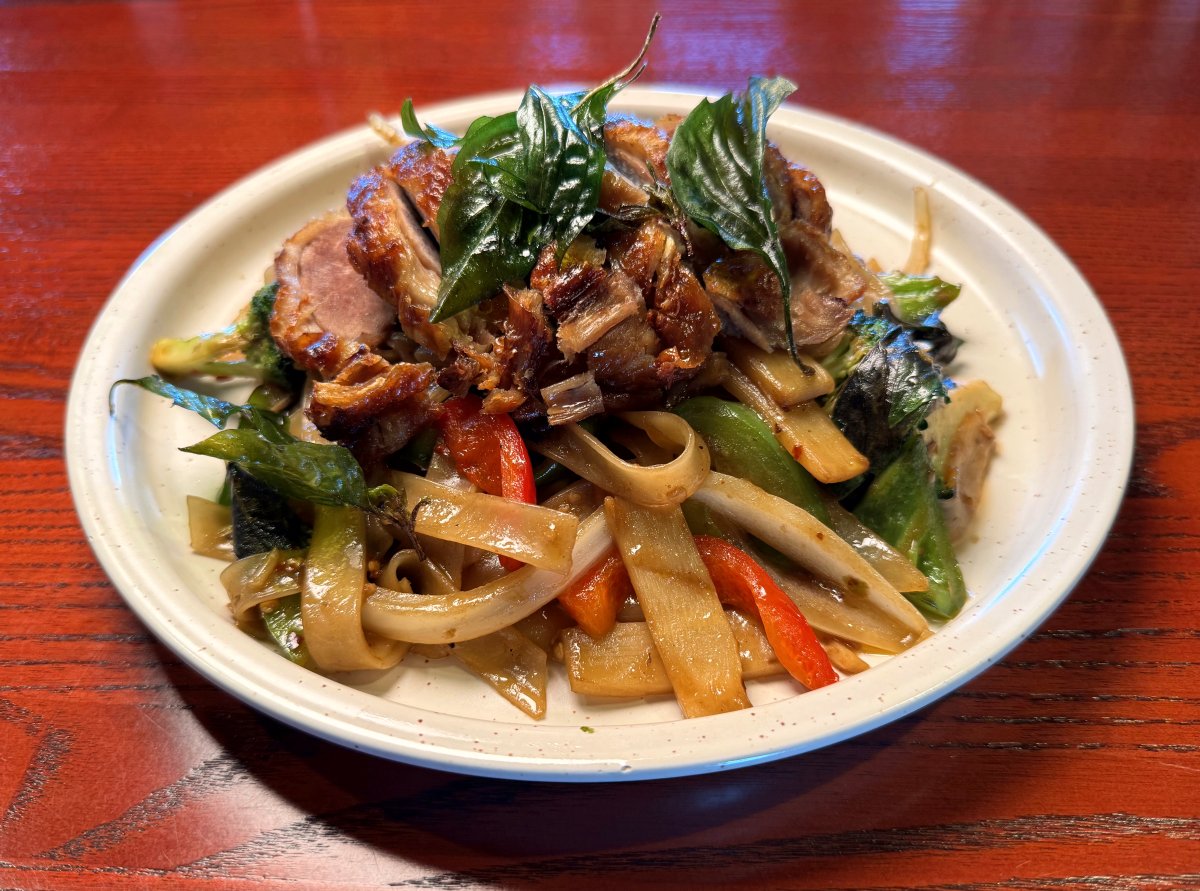
Few takeout decisions are as deceptively simple as searching for Drunken Noodles Near Me. On the surface, it sounds easy. You want wide rice noodles, a glossy sauce, basil, vegetables, protein if you like, and enough heat to wake up your palate. Then you open a delivery app, scroll past a dozen Thai spots, and realize every menu photo looks roughly the same.
That is where most people guess, and guessing is how you end up with a box of limp noodles, sugary sauce, and a dish that tastes more like sweet soy than anything resembling a proper Drunken Noodle. Good drunken noodles are vivid and balanced. Great ones have char, bounce, fragrance, and just enough chaos to feel exciting without becoming sloppy. Once you know what to look for, the gap between an average plate and a memorable one becomes obvious.
I have ordered drunken noodles in tiny neighborhood storefronts, high-volume lunch counters, family-run Thai restaurants, and polished places built for delivery. The differences are not subtle. Some kitchens understand wok cooking and seasoning. Others are simply assembling a noodle dish that happens to use the right name. If you want to pick the right restaurant consistently, you need a better filter than star ratings alone.
What a good drunken noodle should actually taste like
Before you can judge a restaurant, you need a mental benchmark. Drunken noodles, often associated with pad kee mao, should not be one-note. They should land in layers. First comes the savory depth from soy-based seasoning and wok heat. Then you get garlic, chili, and the unmistakable perfume of Thai basil. Vegetables bring sweetness and crunch. https://telegra.ph/Drunken-Noodle-Near-Me-Where-Great-Noodles-Meet-Great-Sauce-08-24 The noodles should be tender but still resilient, never mushy, never pasted together in a heavy block.
Texture matters as much as flavor. Fresh wide rice noodles have a soft chew that holds sauce without disintegrating. If the noodles break apart or feel gummy, the cook either overhandled them, overcooked them, or used inferior noodles. A quality version often carries a little char from the wok. That smoky edge is not decoration. It is one of the signs that the dish was cooked quickly at proper heat rather than steamed to submission on a flat pan.
Spice level is another giveaway. A serious kitchen usually builds heat into the dish itself, then adjusts around your request. A place that treats every spice level as interchangeable often produces blunt heat instead of layered flavor. Mild should still taste complete. Medium should feel warm and lively. Hot should challenge you without erasing basil, garlic, and sauce.
When people complain that they “don’t get the hype” around drunken noodles, they are often reacting to a bad version. A well-made plate has movement. It hits salty, savory, herbal, spicy, and lightly sweet notes in quick succession. It tastes alive.
Why restaurant ratings only tell part of the story
Online ratings help, but they are noisy. A 4.6-star restaurant might have earned those points from pad thai loyalists, bubble tea fans, or people praising quick delivery on a rainy Tuesday. None of that tells you whether the kitchen can turn out a strong Drunken Noodle.
A better approach is to treat ratings as a first screen, not a final answer. Look at the number of reviews, then read a sample with purpose. Search within reviews for “drunken noodles,” “pad kee mao,” “wide noodles,” “basil,” and “spicy.” If a restaurant has hundreds of reviews and almost nobody mentions the dish you want, that is useful information. It may mean the house specialty lies elsewhere. Sometimes that is fine. More often, it means the noodle dish is filler on the menu rather than a point of pride.
Photos help too, but only if you know what to notice. Look for gloss rather than soupiness. Look for visible basil leaves rather than a few green flecks sprinkled on top. Look at noodle shape and condition. Wide noodles should appear separated, not fused into a beige mass. If every photo shows pale vegetables and no caramelization, the kitchen may be working at low heat or catering to speed above all else.
The review pattern matters more than any single glowing comment. If one diner says “best Thai food ever” and another says “too salty, too sweet, noodles stuck together,” pay attention to the details, not the enthusiasm. People are generous with praise when they are hungry and relieved their order arrived hot. That is human nature. Precision in a review usually tells you more than excitement does.
The menu reveals more than most people realize
You can learn a lot from a menu before you ever place an order. Start with how the restaurant names the dish. If the menu simply says “drunken noodle” with no detail, that is not necessarily bad. But a more thoughtful description often suggests the kitchen understands what makes the dish distinct. Mention of Thai basil, chili, garlic, wide rice noodles, and seasonal vegetables is a good sign. Excessive focus on sweetness or generic “special sauce” language can be less encouraging.
Look at the rest of the noodle section. If the menu includes several Thai staples done with some specificity, the kitchen likely has a stronger grip on technique. If the menu is sprawling, with Thai, sushi, pho, wings, burgers, and boba all under one roof, your odds of a great drunken noodle usually drop. Not always, but usually. Broad menus tend to flatten specialist dishes.
Protein options can also tell a story. A restaurant that offers chicken, beef, pork, tofu, shrimp, and perhaps a crispy duck or seafood variation may be running a well-organized line with confidence in the dish. A place that lists every possible substitution for every dish can drift into customization at the expense of quality control. Drunken noodles are forgiving, but not infinitely so. Some proteins suit the dish better than others. Chicken and beef hold up well. Tofu works beautifully if it is seared properly. Shrimp can be excellent but easy to overcook in a rushed kitchen.
Watch for language around spice. Menus that let you choose from mild to Thai hot are common, but the best sign is when the restaurant gives a little guidance. If they note that the dish is traditionally spicy, they are signaling identity rather than pandering. That usually bodes well.
Fresh noodles and wok heat separate the good from the forgettable
If there are two technical markers that define strong drunken noodles, they are the noodle quality and the wok work.
Fresh wide rice noodles are ideal. They absorb flavor differently from dried noodles and keep a satisfying chew. In some cities, restaurants have easy access to them through local suppliers. In others, they rely more on dried products, which can still produce a respectable dish in skilled hands. The issue is not purity for its own sake. It is whether the final texture feels supple and intact.
Then there is wok heat. This is where many delivery-focused operations struggle. A proper wok toss creates slight charring, edges of caramelization, and a sauce that clings rather than pools. Without enough heat, noodles steam and vegetables soften before they can sear. You lose contrast. The dish becomes flat, often wet, and oddly heavy.
This is one reason some neighborhood spots outperform trendier places with better branding. The small shop with a roaring wok station and a cook who has made the same handful of dishes for years can produce more flavor in six minutes than a polished ghost kitchen can manage all night.
If you are dining in, the sound and smell of the kitchen tell you a great deal. Quick bursts of fire, the aroma of basil and garlic hitting hot metal, and plates arriving fast are all encouraging signs. If you are ordering delivery, you need indirect clues. Crisp vegetables in customer photos, repeated mentions of smoky flavor, and comments about the noodles staying intact can all point to competent wok cooking.
How to read the photos like someone who knows the dish
Restaurant photos, whether official shots or customer uploads, are often misleading. Glossy menu images are styled to sell. Customer photos are dim, crooked, and far more useful.
You want to see variation in color. A good Drunken Noodle is not monochrome brown. It should show deep sauce tones, green basil, bright or softened vegetables, perhaps red chili, and some darker seared spots. Uniformly tan noodles suggest under-seasoning or rushed cooking.
The cut of the vegetables matters too. Bell peppers and onions are common. Baby corn, broccoli, carrots, or long beans show up depending on the house style. None of those are a problem. What matters is whether they look cooked but not exhausted. If the vegetables appear gray or waterlogged, the wok timing is probably off.
Portion shape gives clues. A loose pile with visible separation often means the noodles were tossed well. A compressed rectangle that holds the shape of its takeout box usually means the dish sat too long, or the sauce was too thick and heavy. That may not ruin dinner, but it rarely produces the vibrant bite people hope for.
Delivery changes the equation, and the best restaurants account for that
Some foods travel beautifully. Drunken noodles are not one of them. They can still deliver well, but only if the restaurant understands the limitations of a closed container.
The problem is steam. Once hot noodles are sealed, condensation softens vegetables and weakens any char the wok created. Ten minutes may be fine. Thirty-five can be rough. A restaurant that consistently earns praise for this dish over delivery has probably solved for packaging, portioning, or sauce balance.
If you are choosing between two places and one is ten minutes away while the other is thirty, the closer restaurant often has an advantage even if the farther one might be marginally better in-house. That is not lowering your standards. It is understanding the physics of takeout.
There are a few practical signs that a restaurant handles delivery well:
- Reviews mention that the noodles still had texture on arrival.
- Photos show the dish holding shape without looking dry or soupy.
- The restaurant’s estimated prep time is realistic rather than suspiciously fast.
- Portions are not overpacked into tiny containers.
- Repeat customers call out consistency across multiple orders.
Consistency matters more for delivery than for dine-in. A place can cook one excellent pan of noodles by chance. Doing it well on busy nights, during lunch rush, and in bad weather is the mark of a dependable kitchen.
Spice customization can expose whether a kitchen knows its own food
One of the fastest ways to gauge a Thai restaurant is to notice how it handles spice requests. The strongest kitchens do not merely dump chili on top when you ask for heat. They build it into the dish so that the spice tastes integrated rather than tacked on.
If you like spice, medium is often the smartest first order from a new place. It gives you a baseline. Mild can sometimes be too cautious and sweet. Extra hot can overwhelm the dish and tell you little about balance. Once you know how the kitchen cooks, you can adjust.
If the restaurant asks follow-up questions, that is a good sign. Some places know that “hot” means different things to different customers. Others maintain a house scale and stick to it. What you want to avoid is the kind of kitchen that treats all spice levels as a generic afterthought. You can often spot this in reviews when customers describe the food as bland at mild and painfully sharp at hot, with no mention of flavor complexity.
A thoughtful kitchen understands that spice is not only heat. Fresh chili, chili paste, white pepper, garlic, and basil each contribute differently. The best drunken noodles remain flavorful all the way up the heat ladder.
The hidden clues in off-peak ordering
Not every restaurant performs equally across the day. Lunch service, dinner rush, and late-night ordering each stress a kitchen differently. If you are trying a new place for the first time, early dinner on a weekday often gives you the cleanest read. The restaurant is busy enough to have fresh prep moving, but not yet slammed to the point where finesse disappears.
Late-night drunken noodles can be wonderful, especially from restaurants that do a lot of evening volume. They can also be the moment when shortcuts show. Sauces get heavier. Vegetables get softer. Noodles spend too long waiting to be tossed. If a place still delivers a balanced dish at 9:30 or 10:00 p.m., that is a strong sign of process.
Lunch portions deserve a separate note. Some restaurants shrink the protein and vegetables noticeably at lunch while keeping the same noodle volume. Others reduce overall size but preserve the balance. If value matters to you, compare photos or comments specifically about lunch specials rather than assuming they mirror the dinner version.
Authenticity is useful, but quality matters more
People often get hung up on whether a restaurant’s drunken noodles are “authentic.” That word can help, but it can also mislead. Thai food varies by region, family, and restaurant style. A dish can be faithful in spirit while still reflecting local ingredients, customer preferences, or kitchen constraints.
What matters most is whether the restaurant respects the dish’s identity. Does it taste like a Thai basil-forward stir-fried noodle dish with heat, savory depth, and energy? Or does it drift into sweet stir-fry territory with no structure? A kitchen can make small adaptations and still do the dish justice. What you want to avoid is a version so watered down that only the name remains.
Sometimes the best clues come from the broader menu and the dining room rather than the dish alone. Thai-language signage, regional specials, staff recommendations, and regulars ordering dishes beyond the usual pad thai can all suggest a kitchen with stronger roots. That said, I have eaten excellent drunken noodles in modest Americanized Thai restaurants and disappointing ones in places that looked more “authentic” on paper. Identity matters. Execution matters more.
Price can signal quality, but only to a point
Drunken noodles tend to fall into a fairly predictable price band depending on your city. If one restaurant is dramatically cheaper than everyone else nearby, there is usually a reason. Smaller portions, lower protein quality, older vegetables, fewer herbs, or less careful labor can all show up in the bowl.
But the most expensive option is not automatically the best. Higher rent, polished branding, and premium packaging can inflate prices without improving the cooking. What you are looking for is value rather than cheapness. A slightly higher price can be worth it if the noodles are fresh, the basil is generous, the vegetables are crisp, and the portion is substantial enough for leftovers.
Protein upgrades are where restaurants often pad margins. Shrimp and beef usually cost more, which is fair. The real question is whether the extra charge buys noticeably better eating. Thin, overcooked shrimp in a noodle box feel especially wasteful. If a place is new to you, chicken or tofu often gives the clearest baseline.
Questions worth asking if you call directly
A short phone call can save you from a disappointing order, especially if you are torn between two places. You do not need to interrogate the staff. A couple of direct questions can reveal whether the restaurant takes the dish seriously.
Ask whether the drunken noodles are made with Thai basil and wide rice noodles. Ask how spicy the house version is. If you care about texture, ask whether the noodles hold up well for takeout or if the staff recommends dining in. Competent restaurants usually answer clearly and without confusion. Vague answers do not always mean the food will be bad, but they do lower confidence.
You can also ask which protein they recommend in the dish. The answer often tells you whether someone has actually eaten it. “Chicken works best” or “beef is popular because it stands up to the sauce” inspires more trust than a flat “anything is fine.”
Common disappointments, and what they usually mean
When drunken noodles miss, the failure often falls into one of a few patterns. Each one points to a different issue in the kitchen.
If the dish tastes overwhelmingly sweet, the sauce balance is off or the restaurant is catering heavily to broad takeout preferences. If it is salty but dull, the kitchen may rely on bottled seasoning without enough fresh aromatics. If the noodles are broken and sticky, they were probably overcooked or handled too aggressively. If the vegetables are limp and wet, the wok heat was insufficient or the dish sat too long before packing.
Sometimes the issue is not the restaurant at all. Delivery distance, cold weather, or ordering at peak rush can compromise even a good noodle dish. That is why one bad experience should not always eliminate a place from consideration. A second order, timed better, can tell you whether the first one was a fluke.
Building your own personal ranking system
You do not need a spreadsheet, but having a simple way to judge restaurants helps. After trying a place, note the texture of the noodles, the basil presence, the spice balance, the vegetable quality, and how well the dish traveled. Those five factors will tell you more than a vague memory of “pretty good.”
Over time, patterns emerge. You may find one restaurant has the best flavor but does not travel well. Another may be slightly less exciting in-house but extremely reliable for delivery. A third may be perfect only if you order it extra spicy with tofu. This is how regulars end up with a real strategy instead of a repeating gamble.
My own standard is simple. If a restaurant can deliver a Drunken Noodle that still has chew, basil aroma, visible wok character, and enough balance that I want a second bite before I reach for water, it stays in rotation. If I finish the box feeling weighed down rather than satisfied, it does not.
The smartest way to choose tonight
If you are staring at search results for Drunken Noodles Near Me right now, narrow your choices with discipline. Ignore the broadest hype. Read dish-specific reviews. Study customer photos. Favor focused Thai menus over catch-all operations. Consider travel distance. Start with a sensible spice level. If possible, order at a time when the kitchen is busy but not drowning.
The right restaurant usually gives itself away in small, consistent signals. The noodles look alive. The basil is not an afterthought. Reviews mention balance, heat, and texture rather than just “huge portions.” The menu sounds like it knows what it is serving. Those clues add up.
Finding a great Drunken Noodle spot is less about luck than observation. Once you know what excellence looks like, the search gets easier, and your average dinner gets much better.
Nakhon Luang Thai Kitchen
Address: 805 Village Center Dr, Colorado Springs, CO 80919
Phone number: +17195315175
FAQ About Drunken Noodles Near Me
What makes it drunken noodles?
Drunken noodles, or Pad Kee Mao, get their name from the Thai word khi mao (meaning "drunkard"). They contain no alcohol. The name comes from the idea that the dish is a popular late-night meal to cure a hangover or a great food to eat with a cold beer.
What is the difference between pad see ew and drunken noodles?
While both Pad See Ew and Drunken Noodles use the same wide rice noodles, Pad See Ew is a mild, sweet-savory dish made with dark soy sauce and Chinese broccoli, whereas Drunken Noodles (Pad Kee Mao) are fiery, garlicky, and herbaceous with fresh chilies and Thai basil.
What are traditional drunken noodles?
Traditional drunken noodles, known as Pad Kee Mao in Thai, are a fiery, savory street food stir-fry made with wide flat rice noodles, fresh garlic, lots of hot chilies, meat or tofu, and fragrant holy basil. Despite the name, they contain no alcohol; the dish is traditionally eaten late at night or as a hangover cure because the intense spice helps clear the head.